In simple terms
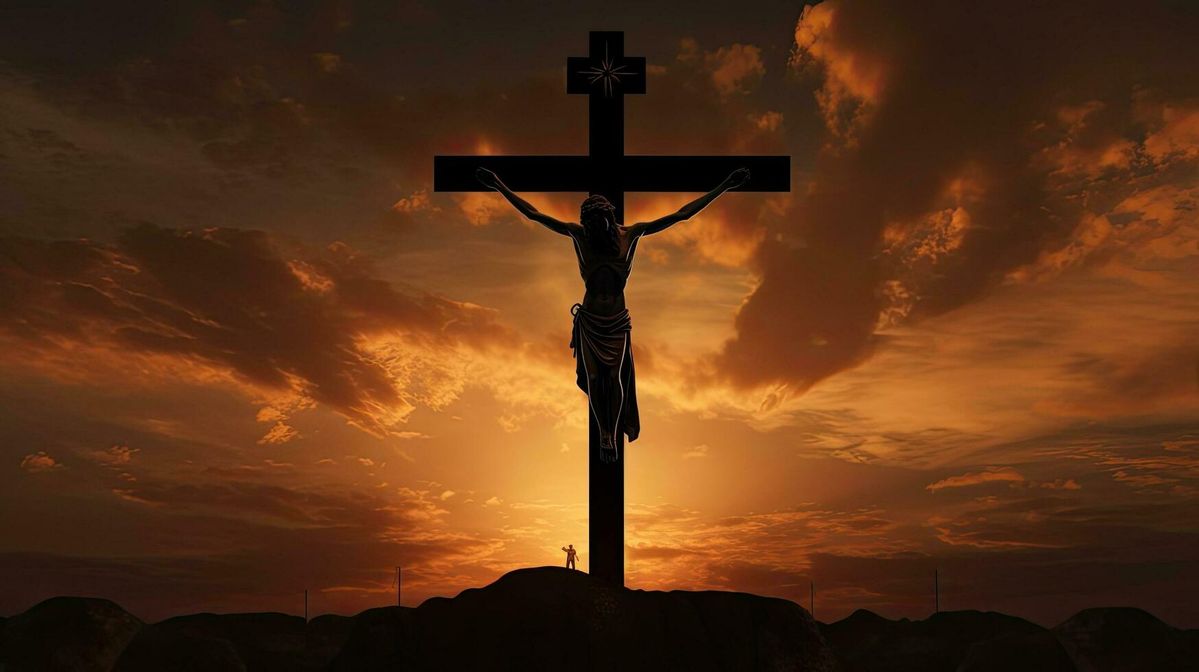
A crucifix is a cross bearing an image of Jesus Christ crucified. It keeps before us both the reality of Christ’s suffering and the love with which He freely offered Himself for our salvation.
The crucifix is not a sign that Catholics believe Jesus is still dead. The Cross and the Resurrection belong together at the heart of the Christian faith.
What is a crucifix?
A crucifix is a representation of the Cross of Christ with the body of Jesus, often called the corpus, shown upon it. It recalls the historical Crucifixion of Jesus and points to the saving meaning Christians understand in His death.
The Catechism teaches that the Paschal mystery of Christ’s Cross and Resurrection stands at the centre of the Good News. Christ’s death on the Cross is understood as the unique and definitive sacrifice through which He offered Himself in love for the salvation of humanity.
What is the difference between a cross and a crucifix?
A cross
An empty cross is a Christian symbol that can call to mind Christ’s Crucifixion, victory over death and Resurrection.
A crucifix
A crucifix depicts Jesus upon the Cross and places particular emphasis on His Passion, sacrifice and self-giving love.
Both can be used by Christians. Catholic devotion has a particularly strong tradition of displaying the crucifix because it makes visible the price of Christ’s love and the reality of His sacrifice.
Why do Catholics display Jesus on the Cross?
Catholics do not display the crucifix because they believe Jesus remains dead. The Church proclaims both the Crucifixion and the Resurrection.
The crucifix keeps the Passion of Christ before our eyes. It reminds us that Jesus truly suffered, freely gave His life, and loved humanity “to the end.” The Catechism describes the Cross as the unique sacrifice of Christ and teaches that His saving death cannot be separated from the Paschal mystery that culminates in the Resurrection.
For this reason, remembering the Cross does not deny Easter. It helps us understand what Christ passed through before the glory of the Resurrection.
What does the Cross mean for Catholics?
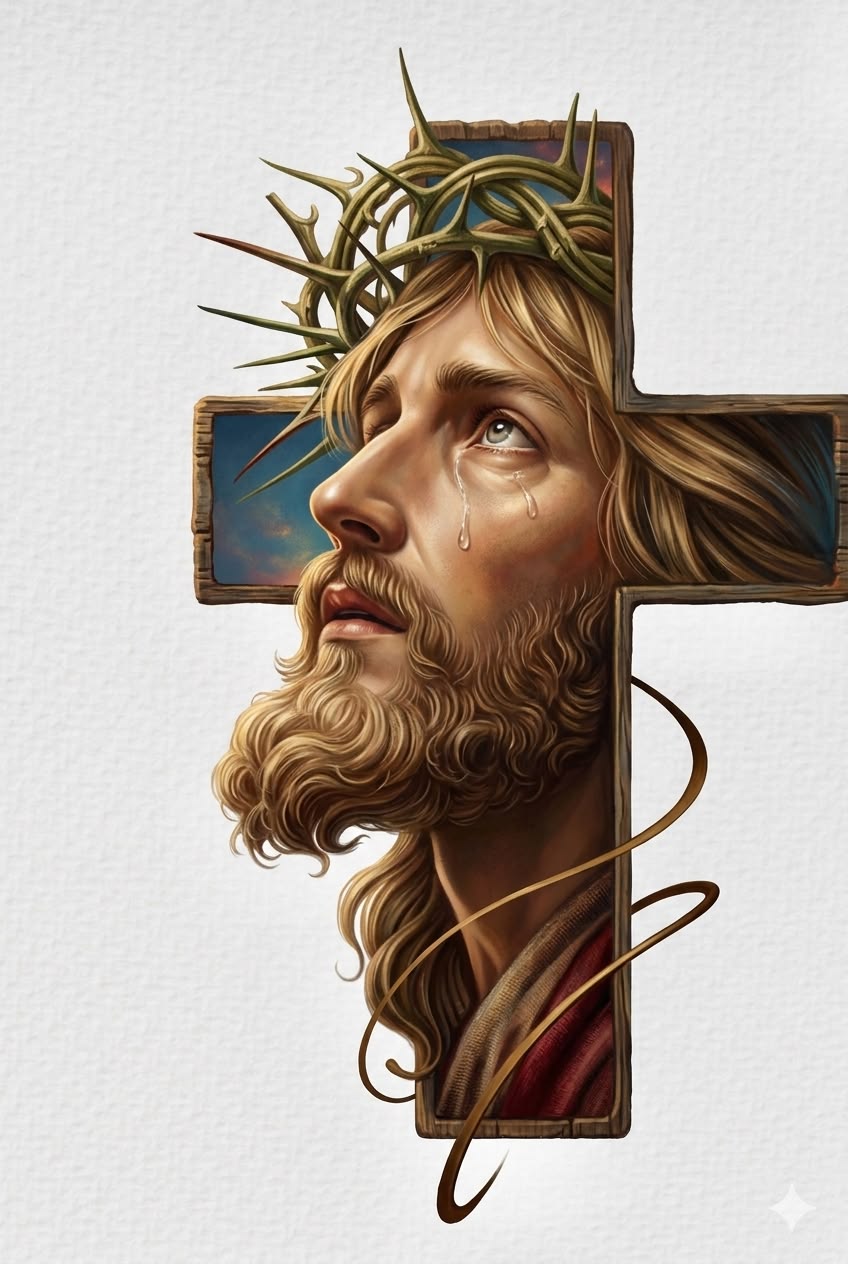
The Cross is a sign of sacrifice, redemption, obedience, mercy and love. According to the Catechism, Jesus freely offered His life to the Father and His Passion on the Cross is inseparable from God’s saving plan.
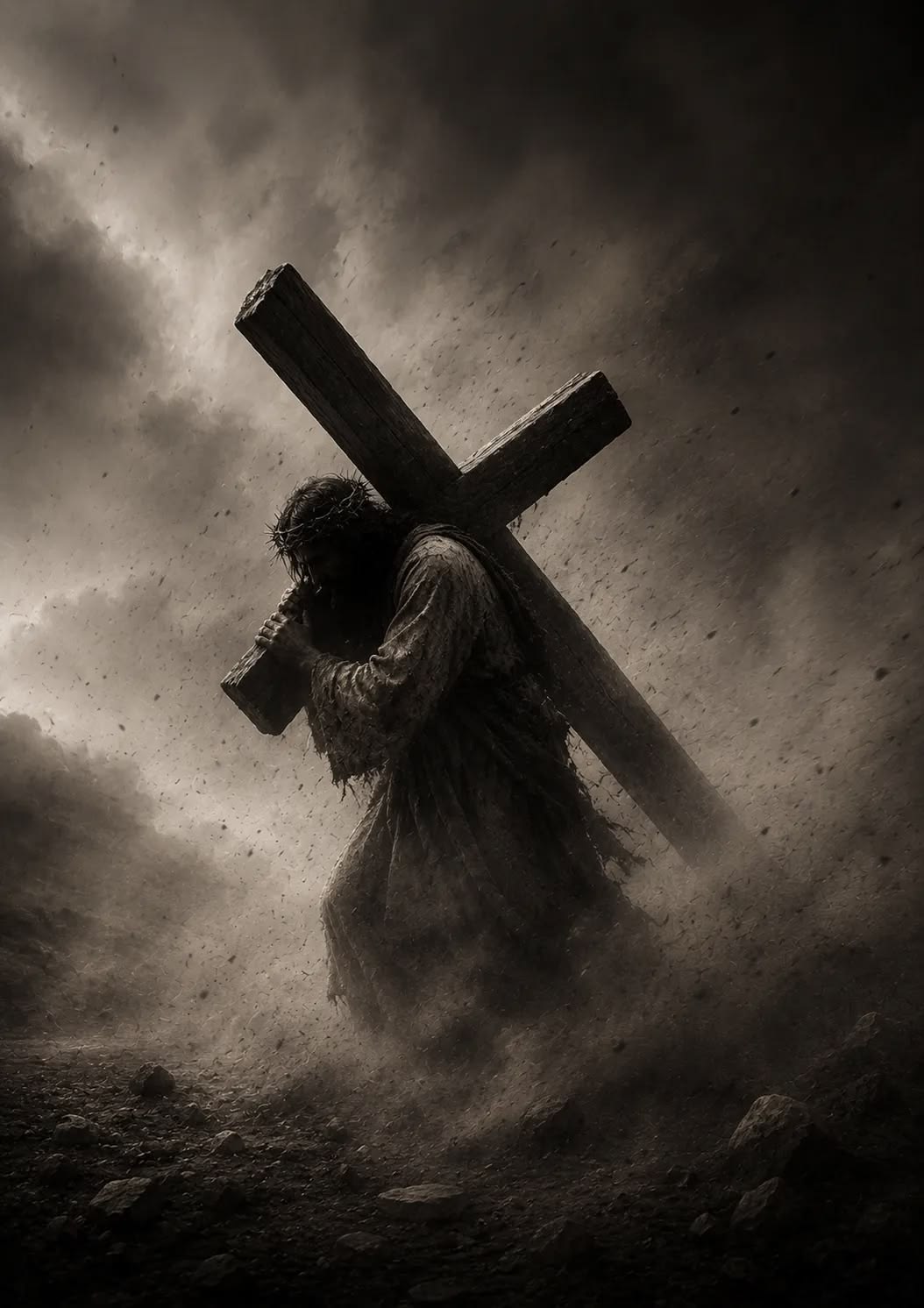
The Cross also has a personal meaning for Christian discipleship. Jesus called His followers to take up their cross and follow Him. Christians therefore look to the Cross not only as something Christ endured, but also as a call to faithful love, self-denial, perseverance and trust in God.
“Why keep Jesus on the Cross?”
A crucifix is a memorial of Christ’s sacrifice, not a claim that He is still crucified.
The Church proclaims that Jesus truly died and truly rose from the dead. The crucifix and the empty tomb therefore do not compete with one another. Together they point to the full Paschal mystery: Christ’s Passion, death and Resurrection.
Is displaying a crucifix idolatry?
No. Catholic teaching distinguishes between adoration, which is given to God alone, and the respectful veneration of sacred images.
The Catechism explains that Christian veneration of sacred images is rooted in the Incarnation: the Son of God truly became man and could therefore be represented in human form. Honour shown to a sacred image is directed toward the person represented, not toward wood, metal, paint or another material as though the material itself were divine.
A crucifix is therefore used to direct prayer and contemplation toward Jesus Christ.
The crucifix in churches and homes
Crucifixes can be found in Catholic churches, chapels, homes, schools, hospitals, prayer corners and on devotional objects. Their presence can serve as a visual reminder of Christ throughout ordinary life.
A crucifix in the home can become a natural focal point for family prayer. It may be placed near a Bible, Rosary or other devotional items, but the purpose remains the same: to turn the heart toward Christ.
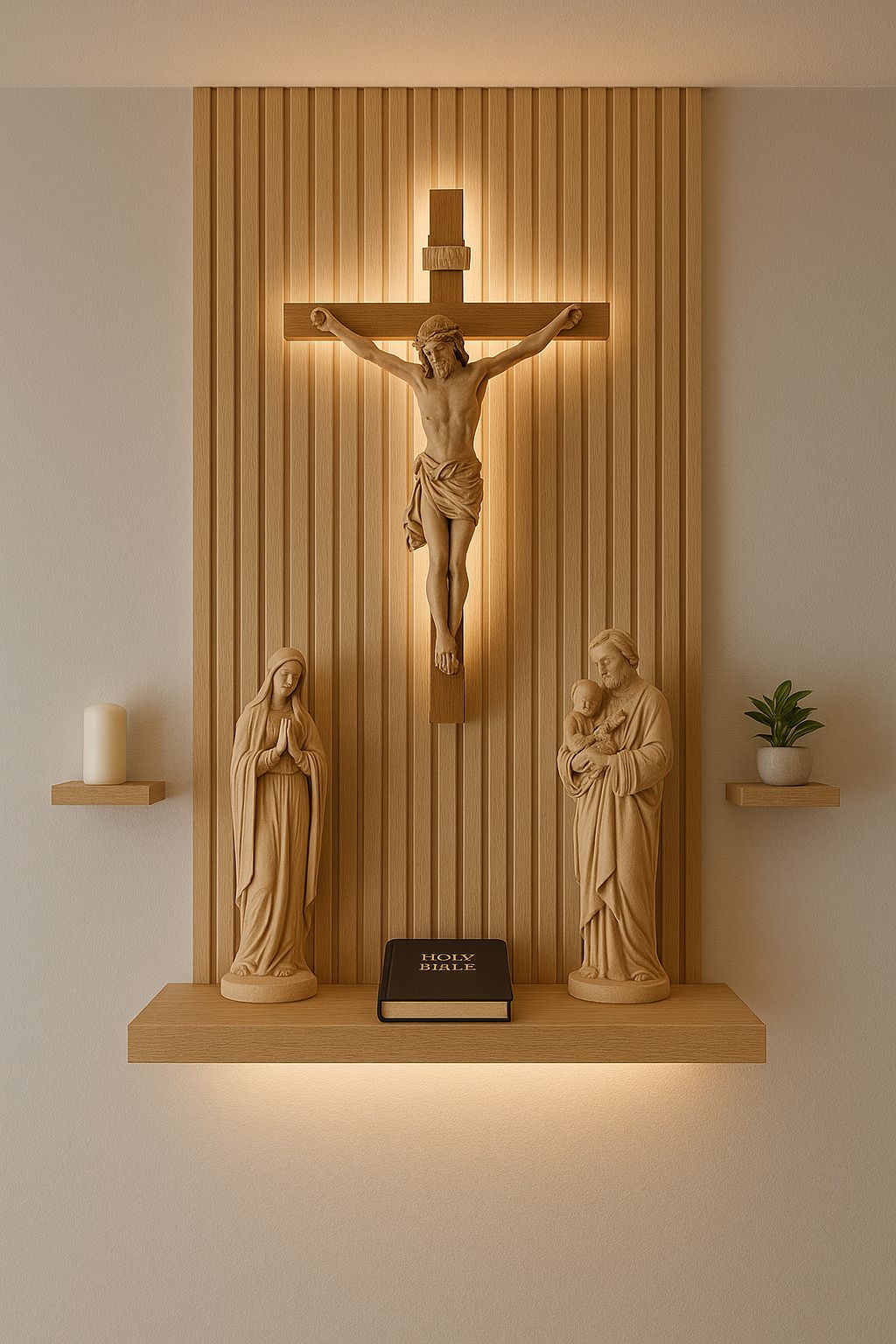
Can a crucifix be blessed?
Yes. A crucifix may be blessed for sacred and devotional use.
Canon Law teaches that sacred objects designated for divine worship by dedication or blessing are to be treated reverently and should not be used in a profane or inappropriate way.
Christ To The World crucifixes
Crucifixes sold by Christ To The World are supplied unblessed.
After purchasing one, you may take it to the priest at your church and ask to have it blessed.
How should a blessed crucifix be treated?
A blessed crucifix should be treated with respect because it has been set apart for sacred use. It should not be treated as a lucky charm or as an object possessing power independently of God.
If a blessed crucifix becomes badly damaged or is no longer usable, Catholics traditionally seek to dispose of it reverently rather than simply treating it as ordinary rubbish. Local parish practice can guide you if you are unsure what to do.
The crucifix and Christian hope
The image of the Crucified Christ is solemn, but it is not ultimately an image of hopelessness. Christians look at the Cross in the light of Easter.
The one who was crucified is the one whom Christians proclaim as risen. The Cross therefore becomes a sign not only of suffering, but of a love stronger than sin and death.
Remember
A cross without the figure of Christ and a crucifix can both point toward the Christian mystery of salvation.
The crucifix places particular emphasis on Jesus’ Passion and self-giving sacrifice. Catholics do not worship the object itself and do not believe that Jesus remains dead. The crucifix directs the heart toward the One who died and rose again.
Authoritative Catholic sources
Catechism of the Catholic Church — The Passion, Crucifixion and Death of Jesus