In simple terms
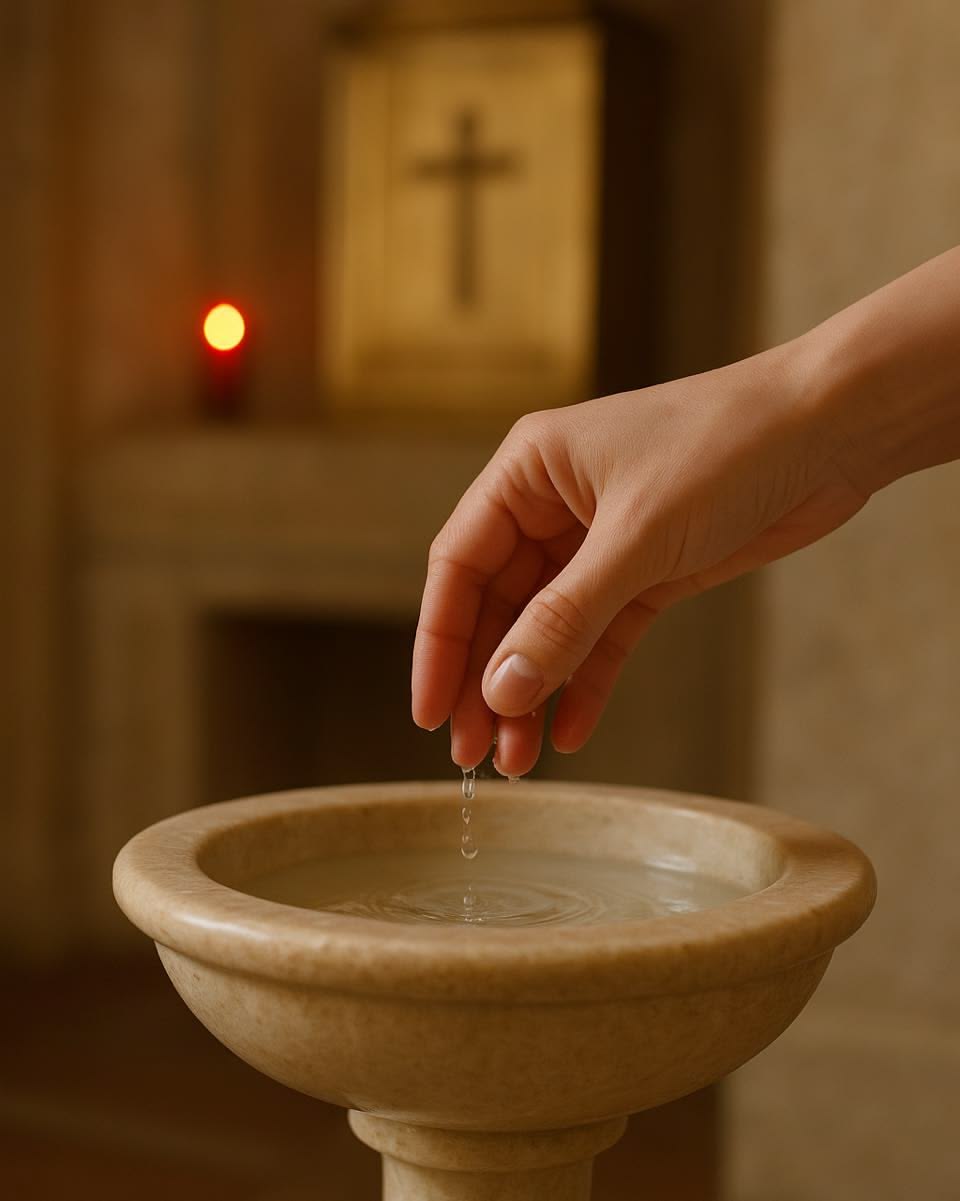
Holy water is water blessed for religious use according to the prayer of the Church. Catholics use it as a sacramental, especially to recall Baptism, make the Sign of the Cross and accompany blessings.
Holy water does not work by magic and should never be treated as though the water itself has independent spiritual power.
What is holy water?
Holy water is ordinary water that has been blessed for sacred use. It belongs to the Church’s wider family of sacramentals: sacred signs instituted by the Church to help prepare the faithful to receive grace and to sanctify different circumstances of life.
The Catechism specifically mentions the sprinkling of holy water as a sacramental sign and explains that it recalls Baptism.
Why does holy water recall Baptism?
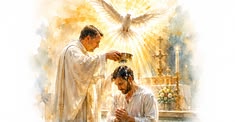
Water is central to the Sacrament of Baptism, in which a person is baptized in the name of the Father, and of the Son, and of the Holy Spirit.
When Catholics touch holy water and make the Sign of the Cross, they are reminded of their Baptism and of their identity as Christians. The gesture can become a simple renewal of the desire to live according to the faith into which they were baptized.
How is holy water used in Catholic life?
Holy water is commonly found near the entrances of Catholic churches in small fonts or stoups. The faithful may touch the water and make the Sign of the Cross when entering or leaving the church.
It is also used in many blessings and liturgical celebrations. A priest or deacon may sprinkle people, objects or places with holy water according to the Church’s rites. Families may also keep blessed water at home for devotional use.
In church
Holy water can be used when entering or leaving, during blessings, and in certain liturgical rites as a reminder of Baptism.
At home
A small holy water font can provide a simple place to keep blessed water and encourage prayer in everyday family life.
Is holy water magical?
No. Catholic teaching rejects superstition.
Holy water does not cause spiritual effects simply because water has been sprinkled or touched. The Church teaches that sacramentals do not confer grace in the same way as the Sacraments. Rather, through the Church’s prayer they prepare us to receive grace and dispose us to cooperate with it.
A Vatican theological document makes the distinction especially clearly: baptismal water belongs to the sacramental celebration of Baptism, while holy water serves as a remembrance of Baptism and does not produce an effect by itself.
Holy water is a sign of faith, not superstition
Using holy water should lead us toward prayer, repentance, trust in God and remembrance of Baptism.
It should never be treated as a charm, a guarantee of protection, or something possessing power apart from God.
Holy water and the Sign of the Cross
A common Catholic practice is to touch holy water and then make the Sign of the Cross while saying:
“In the name of the Father, and of the Son, and of the Holy Spirit. Amen.”
This joins together two powerful reminders of Christian identity: Baptism and the Cross of Christ.
Holy water fonts
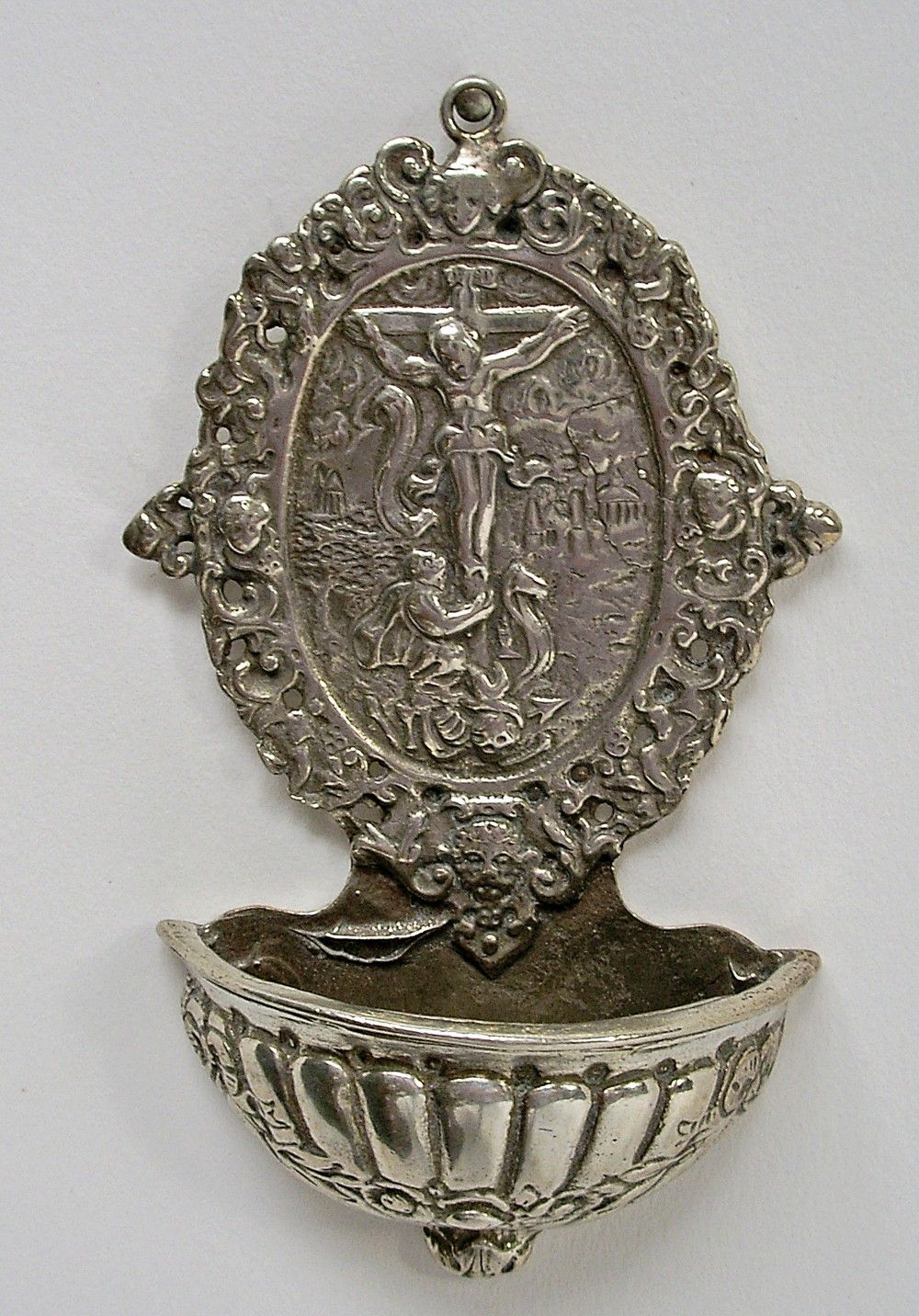
A holy water font is a small vessel designed to hold holy water. In churches, fonts are commonly placed near entrances. Smaller wall-mounted fonts may also be used in Catholic homes.
A home font is not itself holy water. It is simply the vessel that holds water that has already been blessed for devotional use.
Can holy water be used to bless a home?
Holy water is frequently used when a priest or deacon blesses a home, and it may accompany other blessings according to the Church’s approved rites.
Families may also use holy water devotionally while praying at home. This does not replace the formal blessing of a home by an ordained minister when such a blessing is desired.
Who blesses the water?
Holy water is blessed according to the Church’s liturgical rites. The Church regulates who may preside at particular blessings. In practice, if you would like holy water for devotional use, the simplest approach is to ask your Catholic parish.
How should holy water be treated?
Because holy water has been blessed for sacred use, it should be treated reverently and not used carelessly or for ordinary household purposes.
If holy water becomes old or is no longer suitable for use, Catholics traditionally dispose of it respectfully rather than simply pouring it into an ordinary drain. A common practice is to pour it directly onto the earth in a suitable place. If you are unsure, ask your parish priest about local custom.
Christ To The World holy water fonts
Holy water fonts sold by Christ To The World are supplied as devotional vessels only and do not contain blessed water unless specifically stated.
You can obtain blessed water through your Catholic parish and place it in the font for devotional use at home.
Why keep holy water at home?
For many Catholic families, holy water provides a simple reminder that faith belongs in everyday life. A font near an entrance, prayer corner or another appropriate place can encourage the Sign of the Cross and a brief prayer when leaving or returning home.
Its value is not in creating a ritual for its own sake, but in turning ordinary moments toward God.
Remember
Holy water is a sacramental that recalls Baptism and accompanies prayer and blessings.
It does not work automatically or magically. Its purpose is to help the faithful remember God, pray with faith and live more consciously in the grace of their Baptism.
Authoritative Catholic sources
Catechism of the Catholic Church — Sacramentals
International Theological Commission — Faith and the Sacraments