In simple terms
Candles are used throughout Catholic worship and devotional life as signs of reverence, prayer and the light of Christ.
The candle itself is not magical. Its meaning comes from the faith and prayer with which it is used.
Why do Catholics use candles?
Light has a deep place in Christian symbolism. Jesus is proclaimed as the light of the world, and the Church repeatedly uses light as a sign of Christ, faith, hope and the life of grace.
Candles are used in the liturgy both out of reverence and because they contribute to the festal character of the celebration. The General Instruction of the Roman Missal directs that lighted candles be placed on or near the altar for Mass.
Candles at Mass
At Mass, candles are part of the Church’s liturgical environment. They accompany the altar and can also be carried in procession.
The General Instruction states that candlesticks with lighted candles are to be placed on or near the altar, with the number varying according to the solemnity of the celebration.
What is a votive candle?
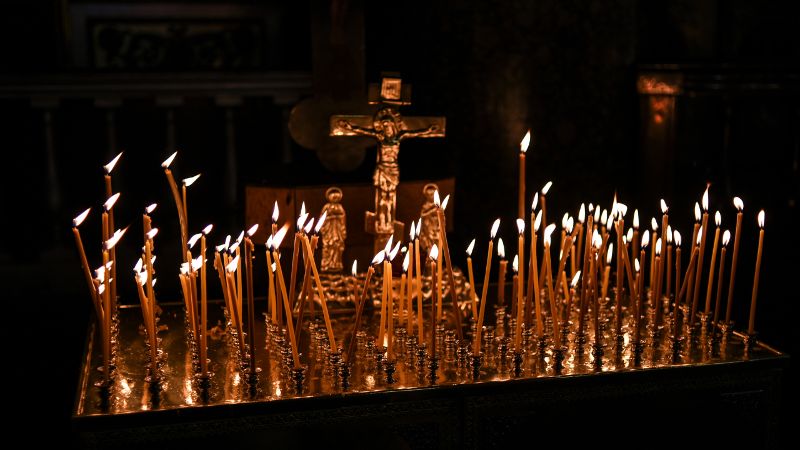
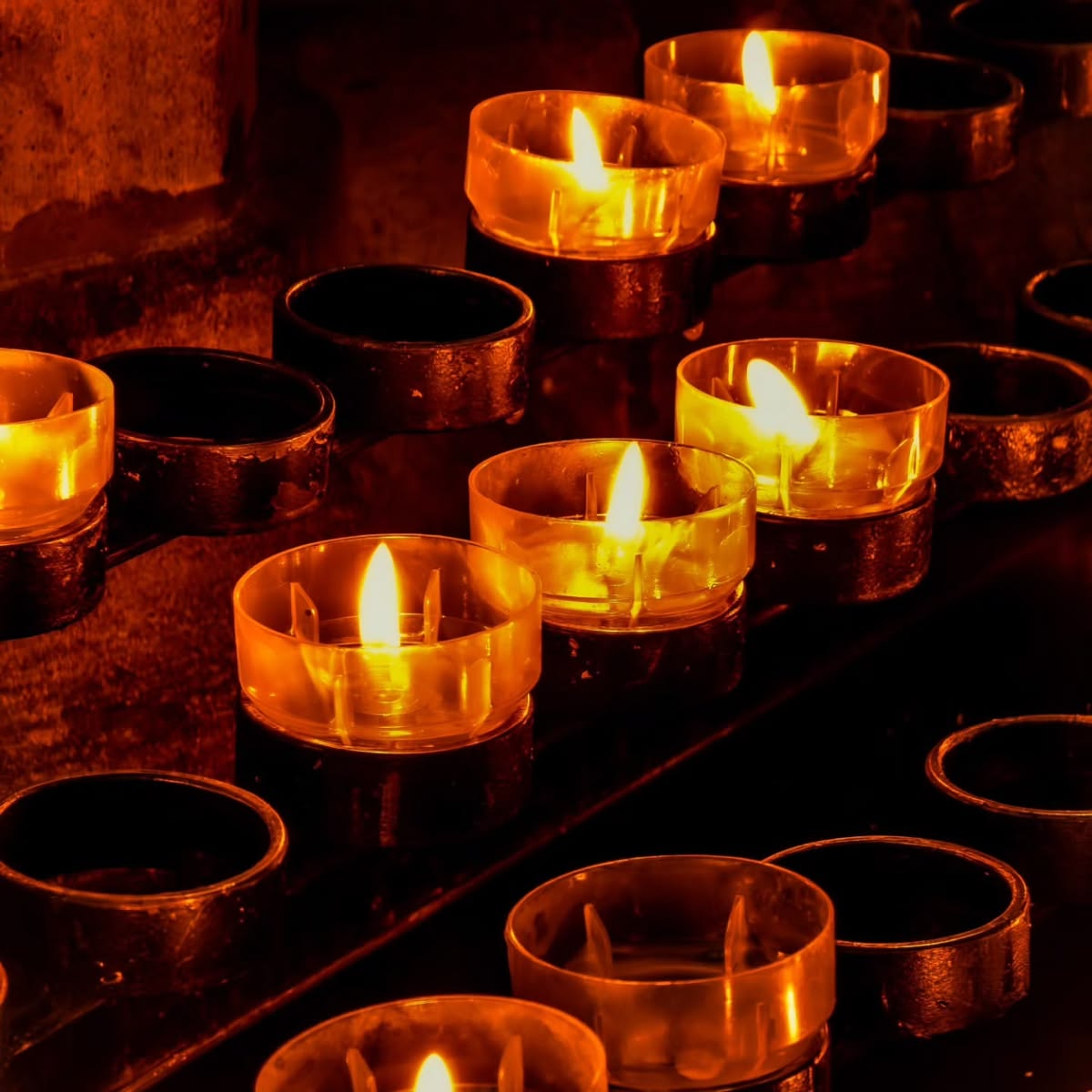
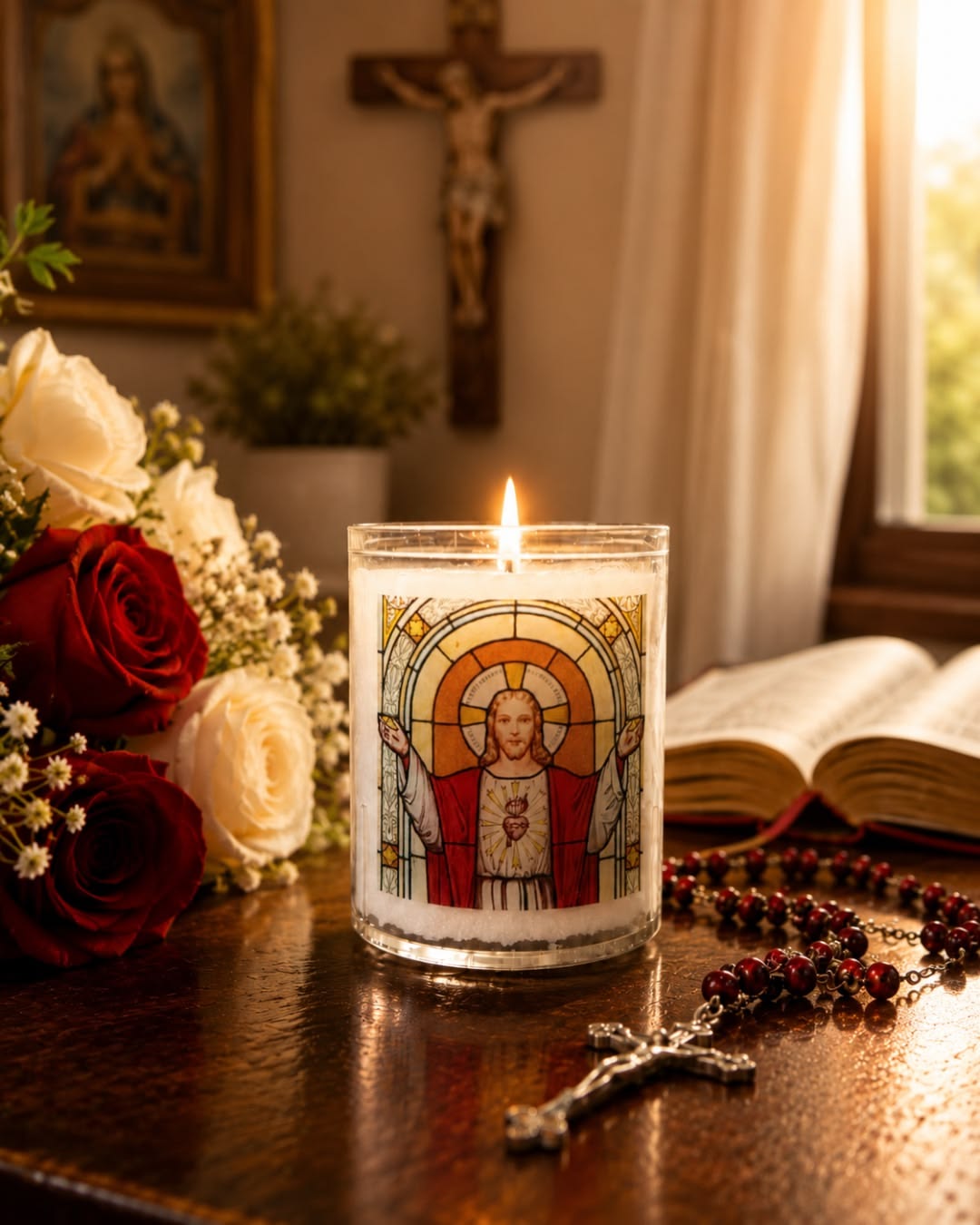
A votive candle is a candle lit as an outward sign of prayer or a particular intention. Catholics may light one while praying for someone who is ill, for the dead, for thanksgiving, for a personal intention, or simply as an act of devotion.
The candle does not replace prayer. Rather, its continuing flame can symbolize a prayer that has been offered and entrusted to God.
Lighting a candle is not “buying a prayer”
Some churches invite a voluntary offering when a candle is lit. That offering helps cover the cost of the candle and support the church.
It should not be understood as purchasing a prayer, favour or guaranteed spiritual result.
The Paschal Candle
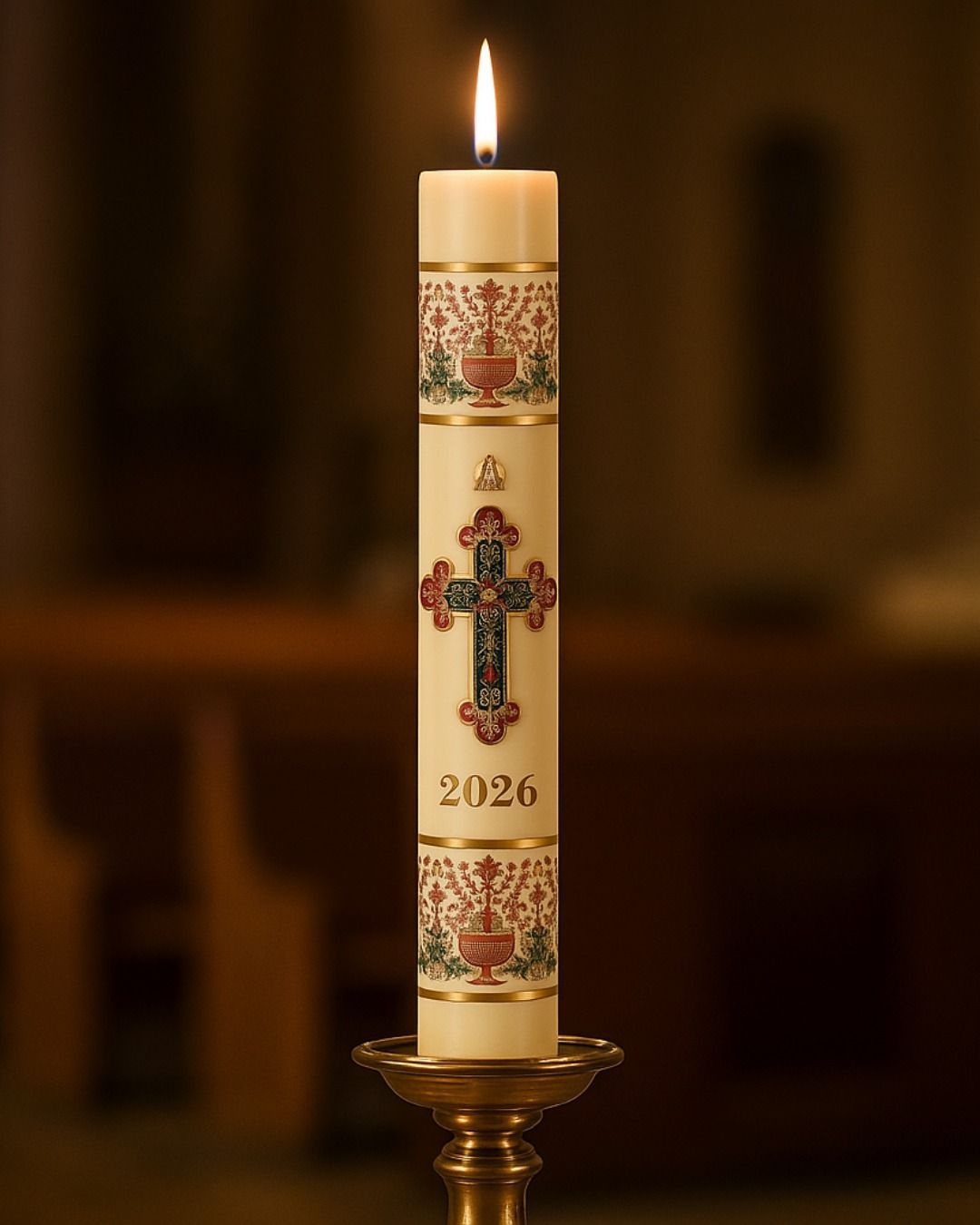
The Paschal Candle, also called the Easter Candle, has a particularly important place in the Church’s liturgy.
At the Easter Vigil it symbolizes the risen Christ, the light that shines in the darkness. In the Easter liturgy, the light of the Paschal Candle is shared with the faithful as a sign of the light of Christ spreading through the Church.
The Paschal Candle is also used during the Easter season and has an important place at baptisms and funerals.
Baptismal candles
During Baptism, a candle may be lit from the Paschal Candle and presented to the newly baptized or the family.
The Catechism explains that the candle lit from the Easter Candle signifies that Christ has enlightened the baptized person and recalls the Christian call to become light in the world.
The sanctuary lamp
In Catholic churches, a special lamp is kept burning near the tabernacle where the Blessed Sacrament is reserved.
The General Instruction of the Roman Missal says this lamp, fueled by oil or wax, is kept alight to indicate and honour the presence of Christ in the Eucharist.
Candles in home prayer
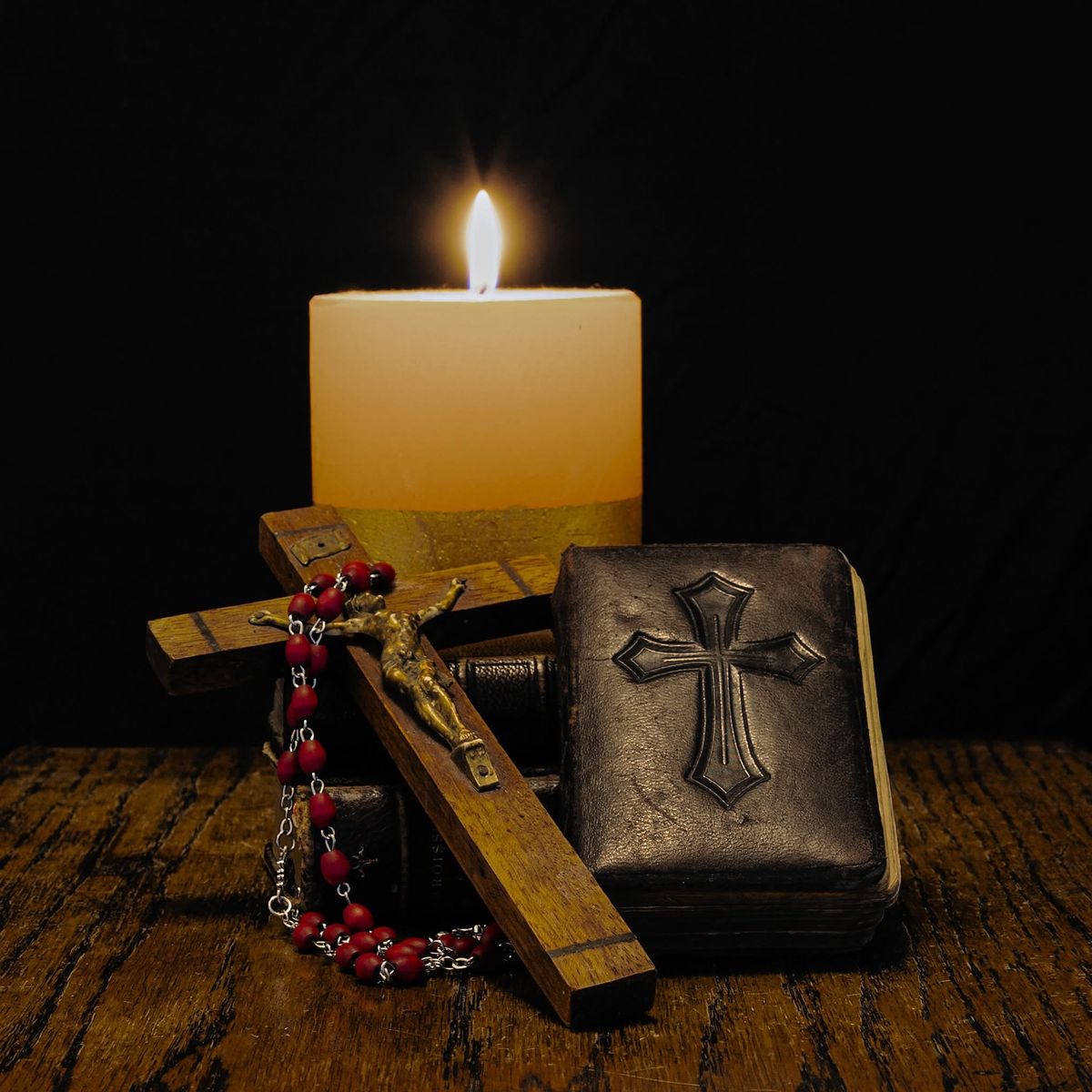
Candles may also be used in a Catholic home prayer space. A candle beside a Crucifix, Bible, Rosary or sacred image can help create a prayerful setting and remind the household to turn its attention toward God.
The candle should remain a support for prayer rather than the centre of devotion itself.
Can candles be blessed?
Yes. Candles may be blessed for devotional or liturgical use according to the Church’s rites.
As with other blessed objects, a blessed candle should be treated reverently and not as a charm or object with independent power.
What is Candlemas?
The Feast of the Presentation of the Lord is celebrated on 2 February. It is traditionally associated with the blessing and procession of candles and is often called Candlemas.
The feast recalls the presentation of Jesus in the Temple and Simeon’s recognition of Christ as a light for the nations.
Are devotional candles magical?
No. The Church rejects superstition.
A candle does not cause a prayer to be answered simply because it is lit, nor does a particular colour, design or image guarantee a spiritual result. Its proper use is as a sign that accompanies Christian prayer and devotion.
Faithful use
Lighting a candle while praying, remembering Christ, offering an intention or creating a prayerful setting.
Superstitious use
Treating the candle as though it automatically causes an outcome or possesses power independent of God.
Christ To The World candles
Where candles are sold as devotional items by Christ To The World, they are supplied unblessed unless specifically stated otherwise.
If you would like a devotional candle blessed, you may ask the priest at your church.
Using candles safely
Because devotional candles involve an open flame, they should always be used carefully. Place them on a stable, heat-resistant surface, keep them away from curtains and other flammable materials, and never leave a burning candle unattended.
Prayer and reverence should always go together with ordinary common-sense safety.
Remember
Candles in Catholic life are signs of prayer, reverence and the light of Christ.
They have an important place in the Mass, at Baptism, during Easter, in votive prayer and in home devotion. Their meaning comes from the Christian faith they express, not from the wax or flame itself.
Authoritative Catholic sources
General Instruction of the Roman Missal — candles at the altar and sanctuary lamp