In simple terms
A Catholic Bible contains the full canon of Sacred Scripture received by the Catholic Church: 46 books in the Old Testament and 27 in the New Testament.
Catholics are encouraged not merely to own a Bible, but to read, pray with and study Scripture as part of the living faith of the Church.
Why is the Bible so important to Catholics?
The Catholic Church holds Sacred Scripture in the highest esteem. Vatican II taught that the Church has always venerated the divine Scriptures and continually receives from them the word of God in the liturgy, preaching, study and prayer.
The Bible is not simply an inspirational book. Catholics believe the books of Scripture were written under the inspiration of the Holy Spirit and faithfully communicate what God wished to be written for the sake of salvation.
What makes a Bible Catholic?
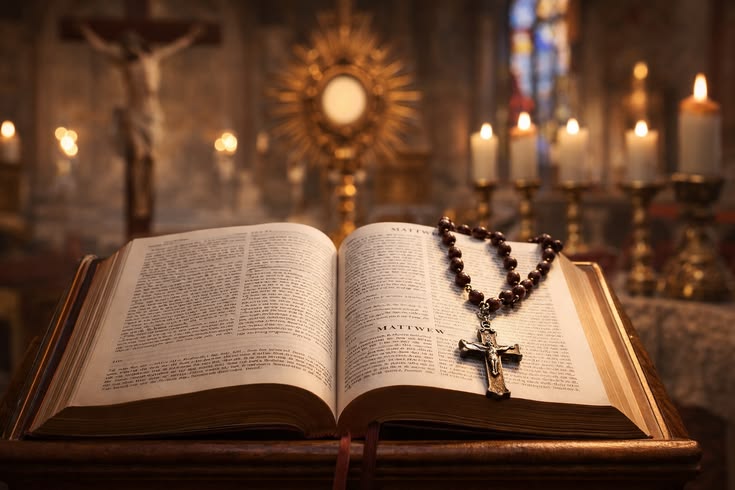
The most obvious difference is the canon: the complete list of books the Catholic Church receives as Sacred Scripture.
The Catechism lists 46 books in the Old Testament and 27 books in the New Testament. This means a Catholic Bible contains the Old Testament books Tobit, Judith, Wisdom, Sirach, Baruch and 1 and 2 Maccabees, together with the Catholic form of Esther and Daniel.
Old Testament
46 books in the Catholic reckoning given by the Catechism.
New Testament
27 books: the four Gospels, Acts, the apostolic letters and Revelation.
What are the deuterocanonical books?
The term deuterocanonical is commonly used for several Old Testament books and portions received as canonical by the Catholic Church but absent from many Protestant Old Testaments.
These include Tobit, Judith, Wisdom, Sirach, Baruch, 1 Maccabees and 2 Maccabees, together with additional material in Esther and Daniel.
For Catholics, these are not an optional appendix. They belong to the canon of Scripture received by the Church.
Scripture, Tradition and the Church
Catholics do not understand Scripture as isolated from the faith community in which it was received, preserved and proclaimed.
Vatican II teaches that Sacred Scripture and Sacred Tradition belong together within the one deposit of the word of God entrusted to the Church. The Church’s teaching authority serves that word; it is not above it.
This is why Catholic reading of Scripture pays attention not only to the individual reader’s impressions, but also to the unity of Scripture, the Church’s living Tradition and the coherence of the truths of faith.
Does the Church encourage Catholics to read the Bible?
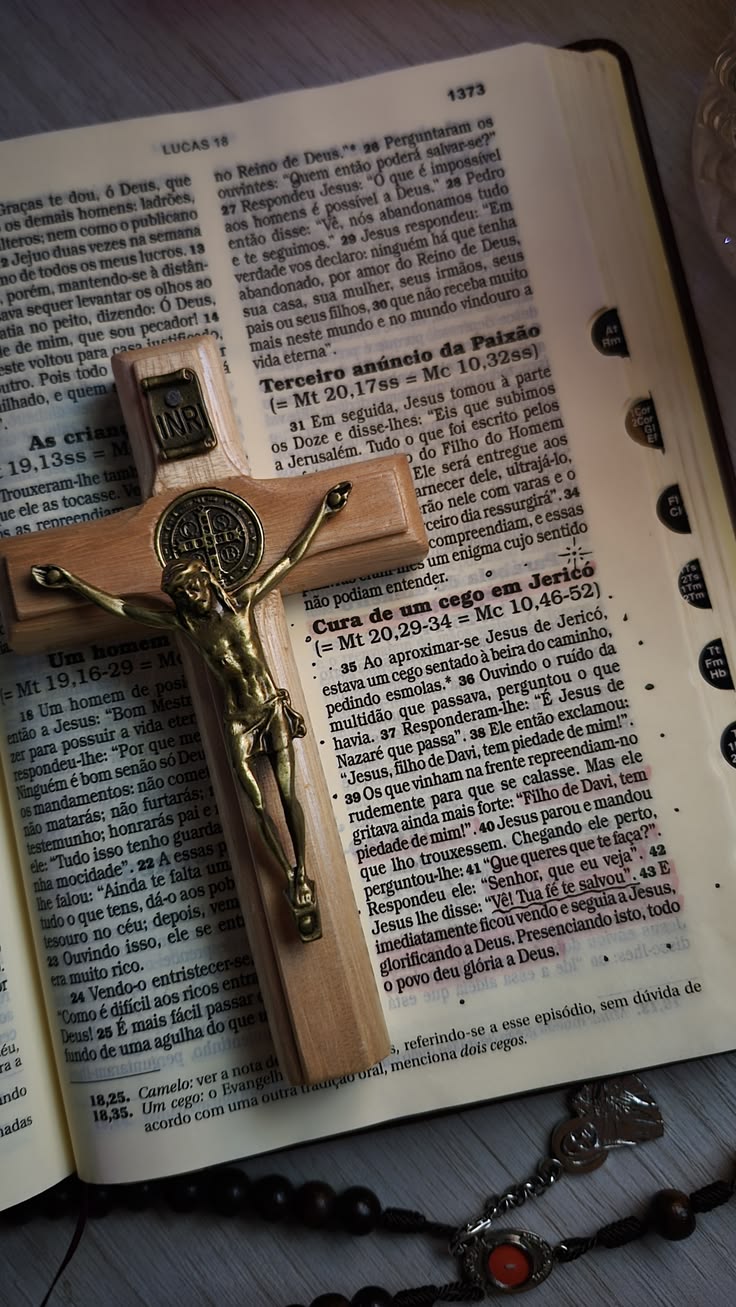
Yes. Vatican II strongly encouraged the faithful to have frequent access to Sacred Scripture and called for suitable translations and biblical formation.
Scripture is heard every time Catholics attend Mass, but personal reading and prayer with the Bible are also valuable parts of Christian life.
How should Catholics read Scripture?
A good Catholic approach combines faith, careful reading and respect for the kind of writing being read. The Church teaches that readers should consider the intention of the human authors, historical circumstances and literary forms, while also reading Scripture in the same Spirit in which it was written.
This guards against reading every passage as though it were the same kind of text or taking verses out of context.
What is Lectio Divina?
Lectio divina is a traditional prayerful way of reading Scripture. A simple form follows four movements:
This approach helps Scripture become more than information. It becomes a place of encounter, prayer and conversion.
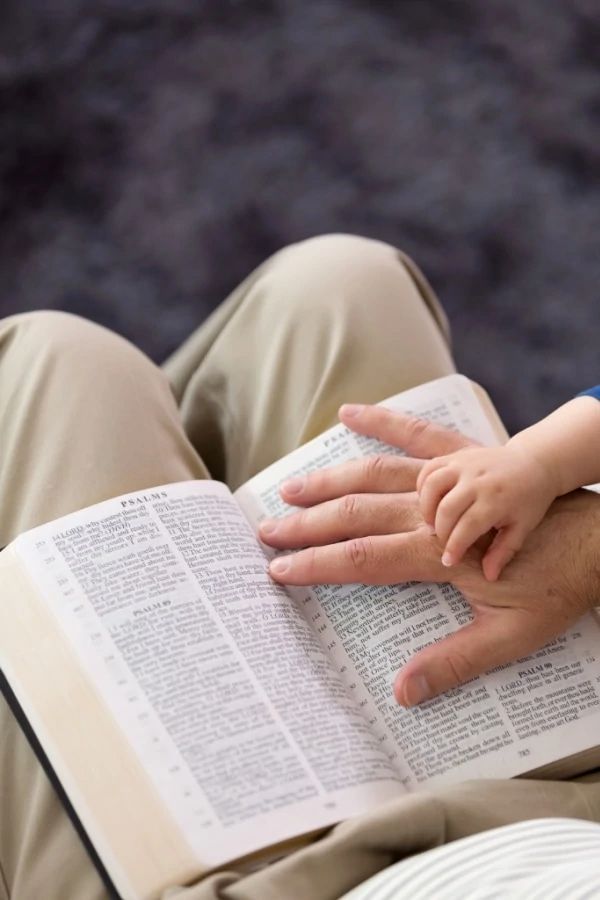
Which Catholic Bible should I choose?
The best Bible is one you can read regularly and understand. Different editions serve different purposes.
For everyday reading
Choose a clear Catholic edition with readable text and the complete Catholic canon.
For study
Look for introductions, cross-references, maps and notes from reliable Catholic scholarship.
For prayer
A comfortable format with space to pause and reflect can be especially useful.
For gifting
Consider the person’s age, reading level, intended use and preferred size or style.
Why do translations differ?
The biblical books were written principally in Hebrew, Aramaic and Greek. Every modern-language Bible therefore involves translation.
Some translations aim for a more literal style, while others prioritize readability. This does not automatically make one translation faithful and another unfaithful; it reflects different translation approaches.
For Catholic use, especially for study and faith formation, it is wise to choose a recognized Catholic edition containing the full Catholic canon and appropriate ecclesial approval.
What are devotional books?
Devotional books are resources intended to support prayer and spiritual life. They can include collections of prayers, meditations, novenas, saint biographies, reflections on Scripture, Stations of the Cross, Rosary guides and other Catholic spiritual works.
They can be valuable, but they do not replace Sacred Scripture, the Sacraments or the teaching of the Church.
A helpful rule when choosing Catholic books
Look for material from trustworthy Catholic publishers and authors, especially when a book teaches doctrine, interprets Scripture or makes strong claims about the faith.
Not every book labelled “Christian” or “spiritual” necessarily reflects Catholic teaching.
Prayer books, missals and saint books
A Catholic prayer book can be useful for learning traditional prayers and developing a regular prayer routine. A missal or Mass companion can help a person follow the liturgy and pray more attentively. Lives of the saints can offer concrete examples of Christian discipleship.
Children’s Catholic books can also help parents introduce Scripture, prayer, saints and the Sacraments in an age-appropriate way.
How should a Bible be treated?
Because Sacred Scripture contains the word of God in inspired human words, Catholics should treat the Bible with respect. That does not mean a Bible can never become worn. A well-used Bible may show the marks of years of prayer and study.
The important thing is that it is not deliberately treated with contempt or used in a way inconsistent with its sacred purpose.
Remember
A Catholic Bible contains the complete canon recognized by the Catholic Church: 46 Old Testament books and 27 New Testament books.
Scripture is meant to be read, heard, studied and prayed. Devotional books can support that life of faith, but the Bible holds a unique place as inspired Sacred Scripture.
Authoritative Catholic sources
Catechism of the Catholic Church — The Canon of Scripture