In simple terms
Incense is burned in Catholic worship as a sign of prayer and reverence. Its rising smoke recalls the biblical image of prayer ascending before God.
Incense is not magical. It is a visible and fragrant sign used by the Church to express worship, honour and prayer.
What is incense?
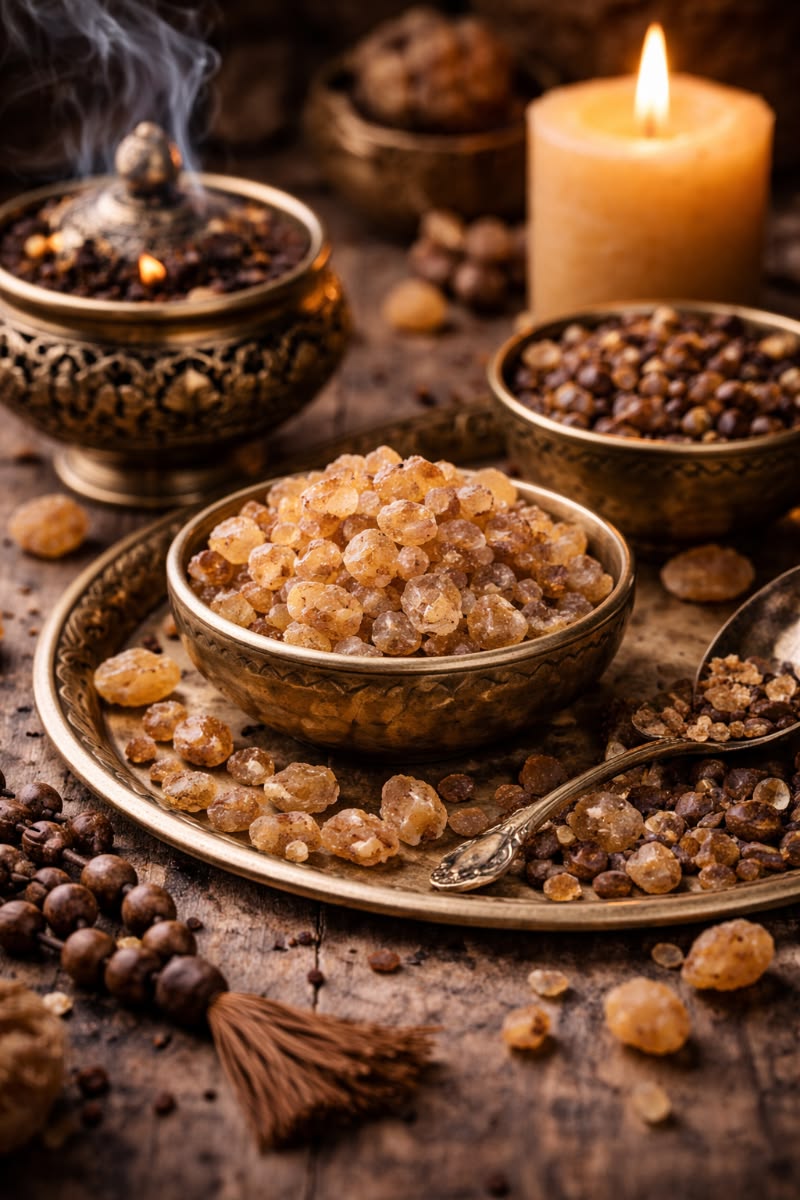
Incense is an aromatic substance, often made from resins such as frankincense, that releases fragrant smoke when placed on hot charcoal.
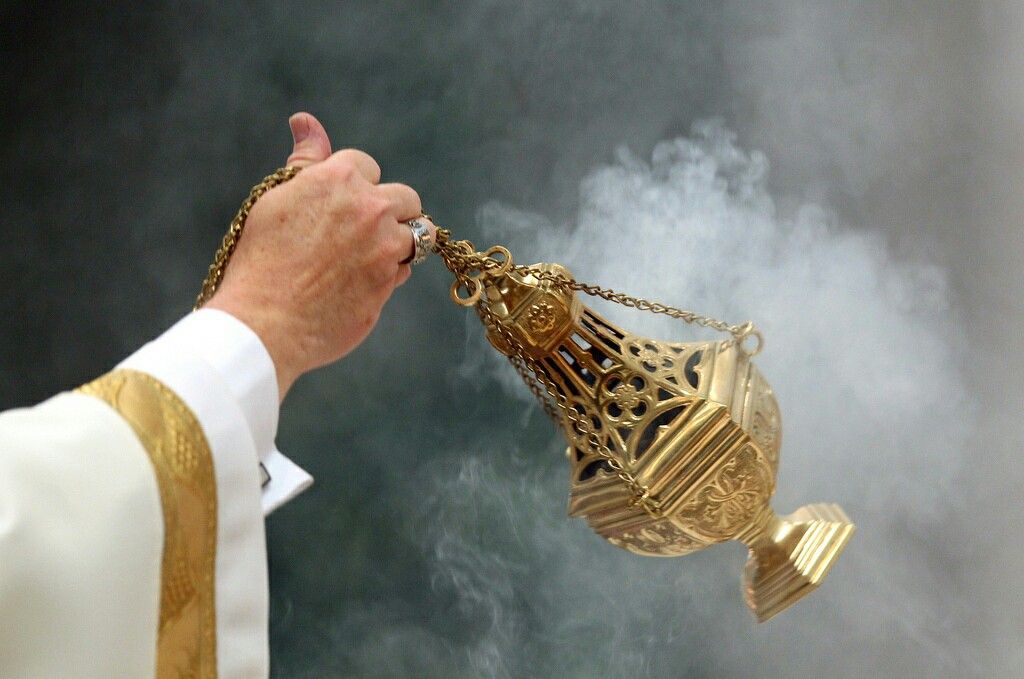
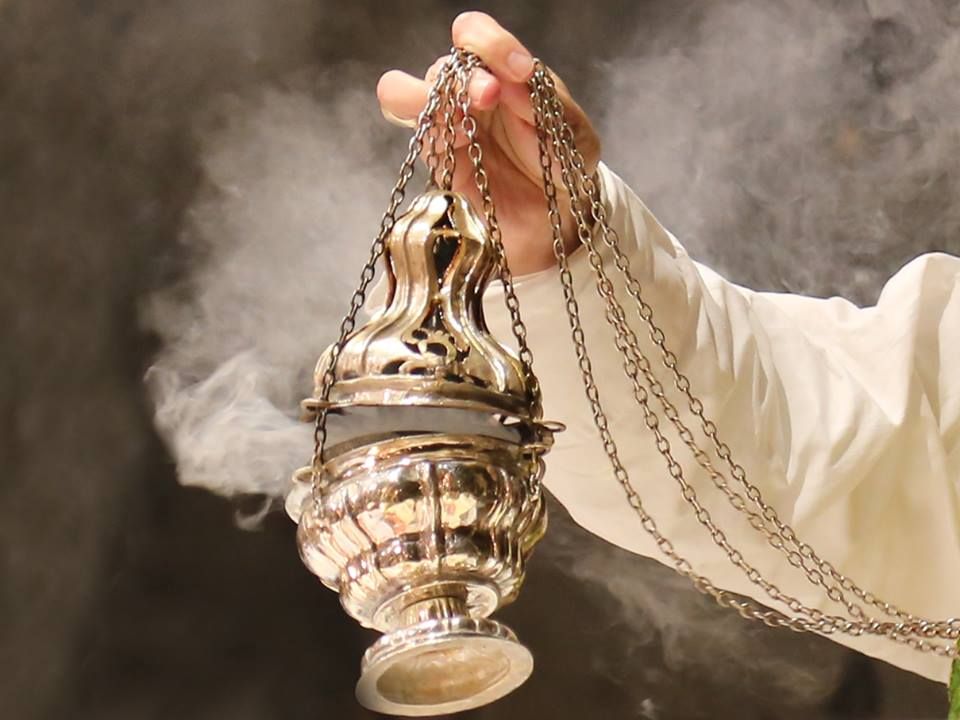
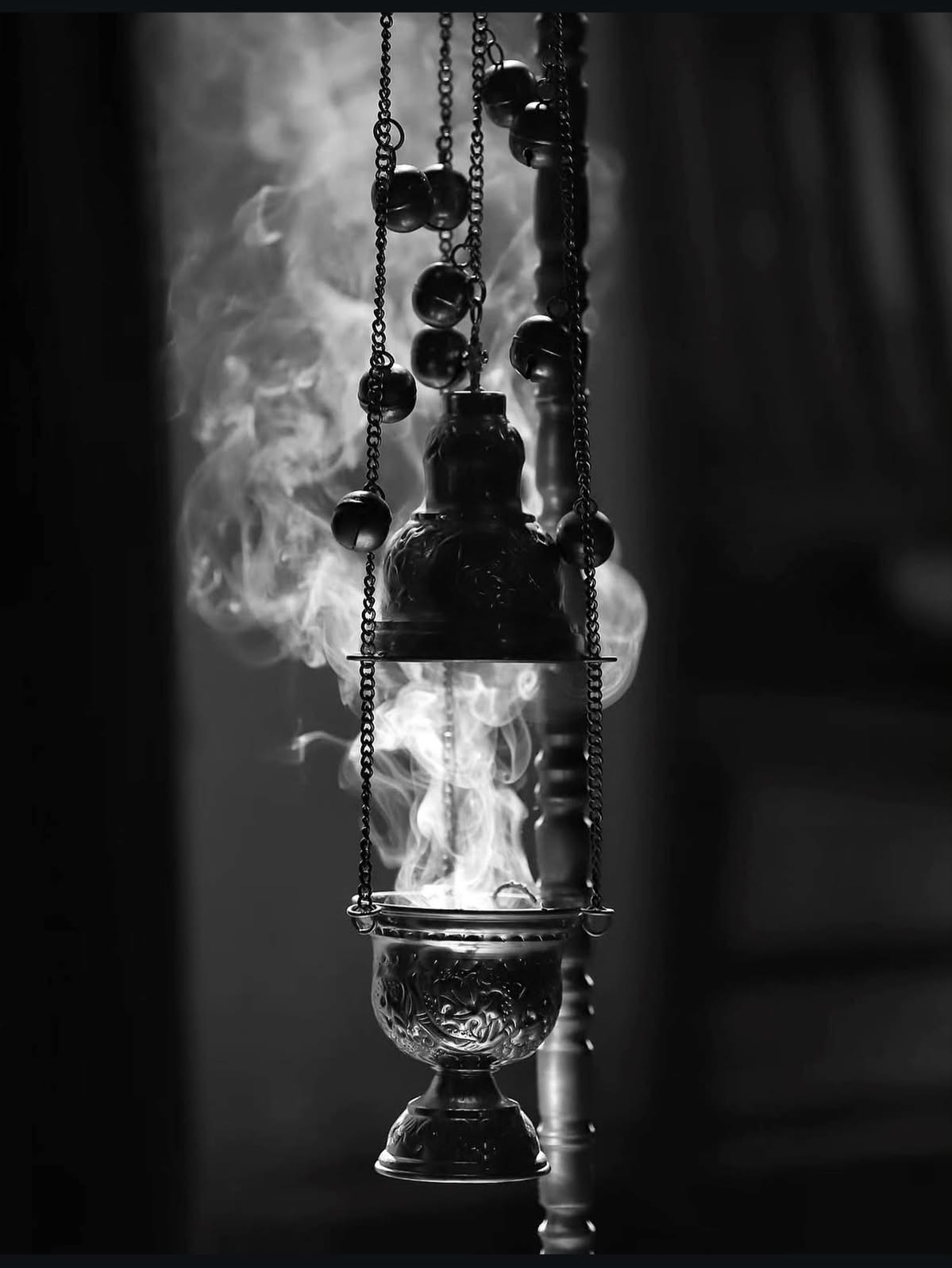
In Catholic liturgy, incense is usually burned in a vessel called a thurible or censer. The person who carries and assists with the thurible is often called a thurifer.
What does incense symbolize?
The General Instruction of the Roman Missal says that incensation is an expression of reverence and prayer, pointing to Scripture for this meaning.
Psalm 141 compares prayer to incense rising before God, and the Book of Revelation presents incense together with the prayers of the saints. For this reason, the rising smoke has long been a powerful Christian image of prayer offered to God.
Prayer rising before God
Incense is not used because smoke itself has spiritual power. Its meaning comes from the prayer and worship it accompanies.
When can incense be used at Mass?
The Roman Missal permits incense to be used at Mass in several places. These include the entrance procession, the incensation of the cross and altar, the Gospel procession and proclamation, the preparation of the gifts, and the elevation of the consecrated Host and chalice.
Its use can vary according to the celebration, local practice and the solemnity of the occasion.
The altar and cross
Incense expresses reverence for the altar and the Cross of Christ.
The Gospel
The Book of the Gospels may be incensed as a sign of reverence for Christ speaking through the Gospel.
The gifts
The bread and wine, together with the cross and altar, may be incensed during the preparation of the gifts.
Priest and people
The celebrant and the gathered faithful may also be incensed, expressing reverence for their sacred role and baptismal dignity.
Why are the priest and people incensed?
Incensing people does not mean that they are being worshipped. The gesture expresses reverence and honours what God has done in His people.
The Roman Missal specifically allows the priest to be incensed because of his sacred ministry and the people because of their baptismal dignity.
Incense at the Gospel
When incense is used during the Liturgy of the Word, the Book of the Gospels may be incensed before the Gospel is proclaimed.
This gesture expresses reverence for the Gospel of Christ and helps mark the Gospel reading as the high point of the Liturgy of the Word.
Incense at the Eucharist
Incense may be used during the preparation of the gifts and again during the elevation after the consecration.
At the preparation of the gifts, the Roman Missal explains that incensing the offerings, the cross and the altar signifies the Church’s offering and prayer rising like incense before God.
Incense outside Mass
Incense can also appear in other Catholic liturgical and devotional settings, including Eucharistic adoration and Benediction, processions, funerals and certain blessings.
At funerals, for example, the body may be incensed as a sign of respect for the body of a baptized Christian and in hope of the resurrection.
Is incense a sacramental?
Incense is used within the Church’s liturgical and devotional life as a sacred sign. Its use participates in the wider sacramental language of the Church by expressing prayer, reverence and worship through a visible sign.
The incense itself should not be treated as though it possesses independent spiritual power.
Can Catholics use incense at home?
Catholics may use incense devotionally at home when it is done safely and reverently, for example during personal or family prayer.
Home devotional use should not be confused with the Church’s formal liturgical rites. A household does not recreate the Mass simply by using a censer or incense.
Christ To The World incense-related items
Incense, burners and related devotional items sold by Christ To The World are intended to support prayer and devotional use.
They should be used reverently, safely and never superstitiously.
Using incense safely
Incense involves hot charcoal, flame and smoke. Always use a suitable heat-resistant burner, place it on a stable surface, keep it away from flammable materials and children, and make sure the area is adequately ventilated.
People with asthma, respiratory sensitivities or allergies may need to avoid smoke or choose another form of devotion.
Is incense required at every Mass?
No. The Roman Missal says incense may be used if desired in any form of Mass. Its absence does not make a Mass less valid or less sacred.
Remember
Incense expresses prayer and reverence. Its rising smoke recalls Scripture’s image of prayer ascending before God.
It can be used at different moments in the Mass and in other Catholic celebrations, but it is never magical and is not required at every Mass.
Authoritative Catholic sources
General Instruction of the Roman Missal — Incensation, especially nos. 75 and 276–277